On this page
What does BPC-157 do?
BPC-157 is being studied for tendon and ligament repair, joint comfort, muscle-injury recovery, skin wound healing and gastrointestinal protection. The practical outcomes people look for are less discomfort, easier movement and a return to activities that an injury has limited.
Human reports describe changes in pain, mobility and training tolerance. Laboratory and animal studies examine tissue repair directly. BPC-157 remains investigational, with no FDA-approved treatment indication.6
What benefits have people reported from BPC-157?
Selected first-person accounts describe more comfortable joints, easier movement, less lingering soreness and better tolerance of training. Here are the actual changes and timing reported by those authors.
| Reported benefit | What the person described | Timing |
|---|---|---|
| Knee comfort and swelling | A knee account described less swelling while continuing mobility work and running. [14] | Swelling reportedly subsided within days; the update covered three weeks. |
| Elbow movement | An elbow-tendinitis account described regained range of motion. [8] | Around week three of a six-week course. |
| Training tolerance | A shoulder account described a return to moderate overhead pressing with less next-day discomfort. [7] | By weeks four to five. |
| Shorter post-training soreness | The same shoulder author reported lingering aching shortening from roughly 48 to 24 hours. [7] | During week two. |
| Gut comfort and digestion | An oral-use account described improved digestive comfort, alongside early fatigue and unexplained soreness. [15] | A two-month report; the exact onset of improvement was not given. |
These reports describe symptoms and activity, without scans confirming tissue repair. Rehabilitation and continued movement were part of the shoulder and knee accounts. The human knee study provides a separate clinical observation; the six-week timelines below show how two personal experiences developed. The oral and capsule guide covers the digestive account, whose exact formulation was unspecified.
BPC-157 products: vials, pens and premeasured formats
The vial contains 10 mg of powder. The pen contains 15 mg in 3 mL. These are the quantities used in the product comparisons below.
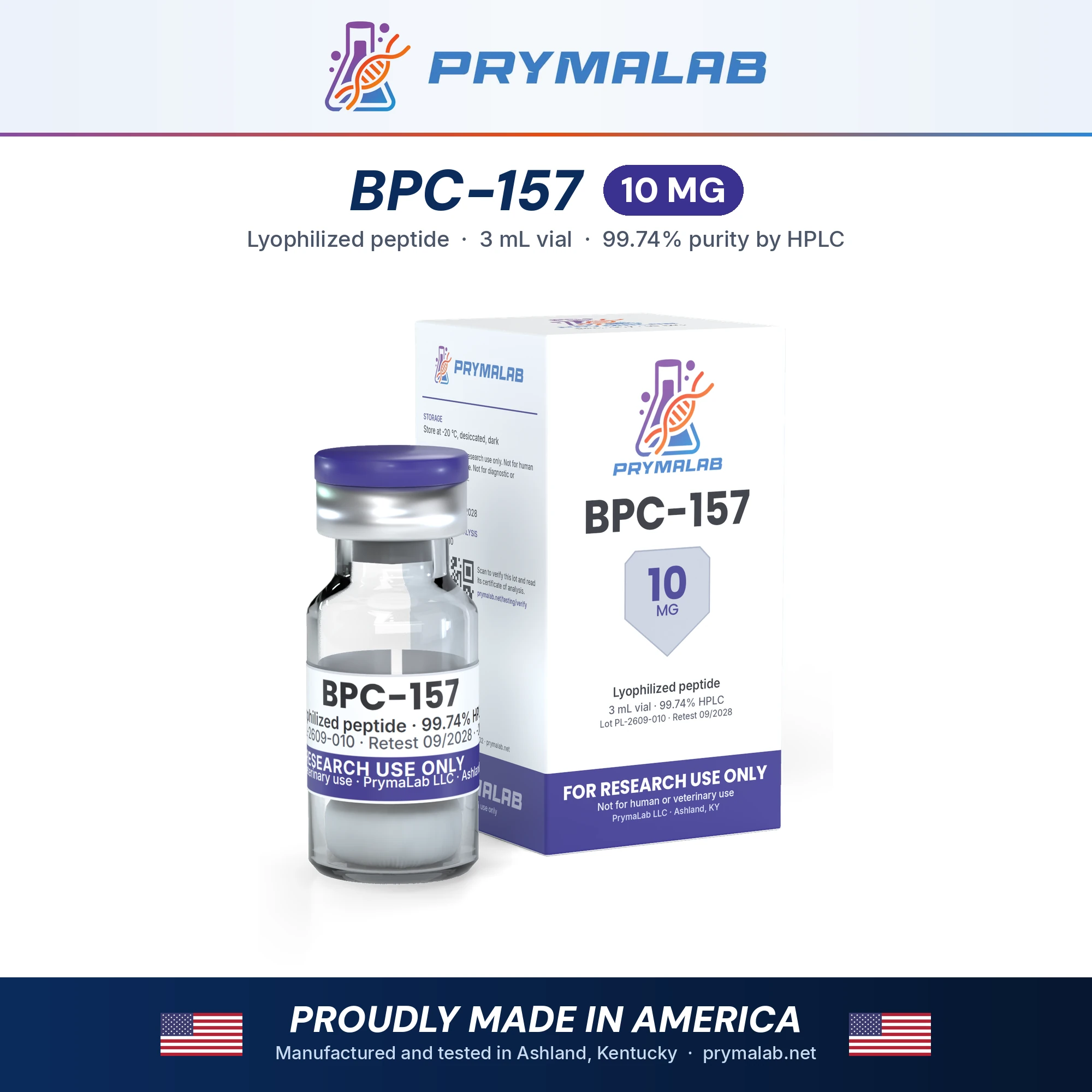
BPC-157 10 mg
Freeze-dried peptide with an original, lot-specific certificate of analysis.
- Total BPC-157
- 10 mg
- Physical form
- Powder
- Preparation
- Reconstitution required
- Documented lot
- PL-2609-010
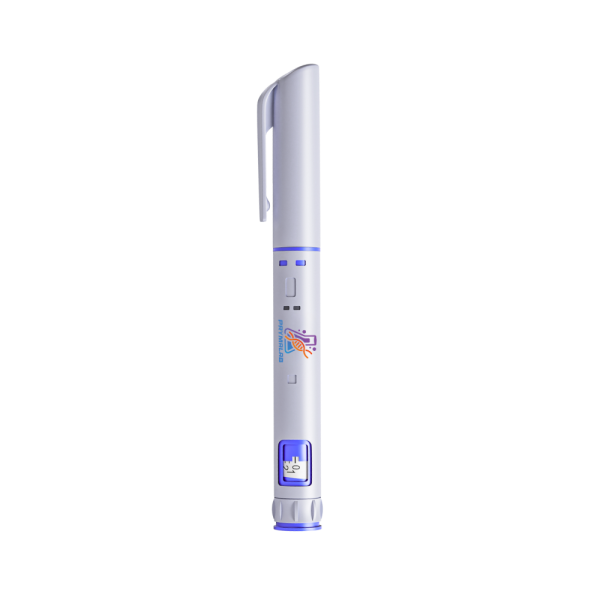
BPC-157 15 mg Pen
15 mg of BPC-157 in a 3 mL prefilled pen, at 5 mg/mL.
- Total BPC-157
- 15 mg
- Liquid volume
- 3 mL
- Concentration
- 5 mg/mL
- Preparation
- Already in solution
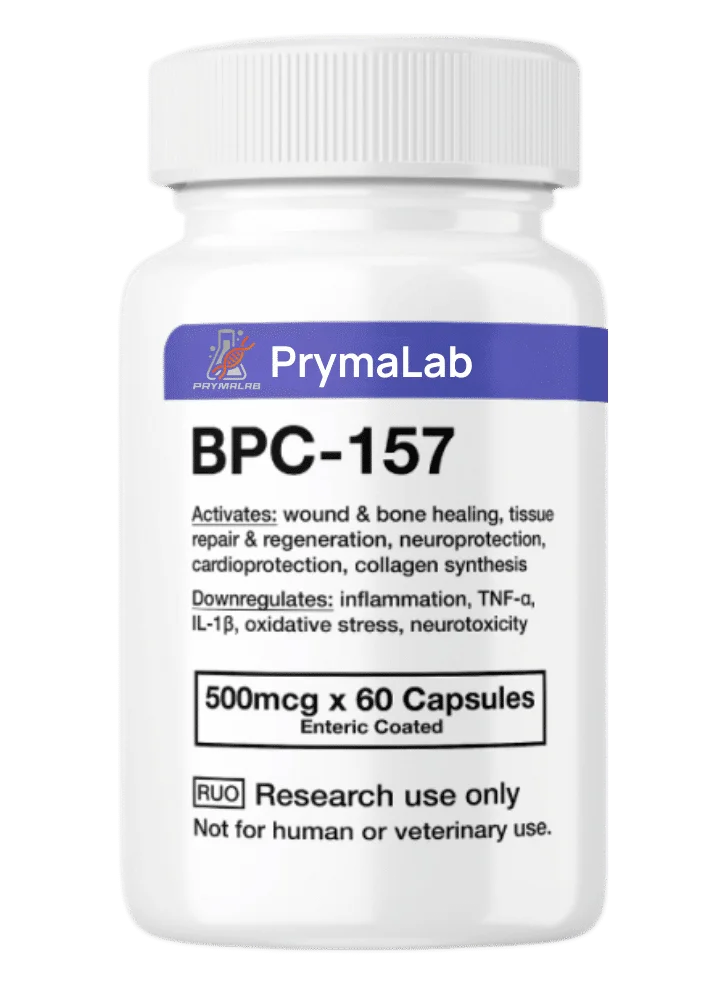
500 mcg Capsules
60 capsules · 500 mcg each · 30 mg total.
Original capsule-batch report available.
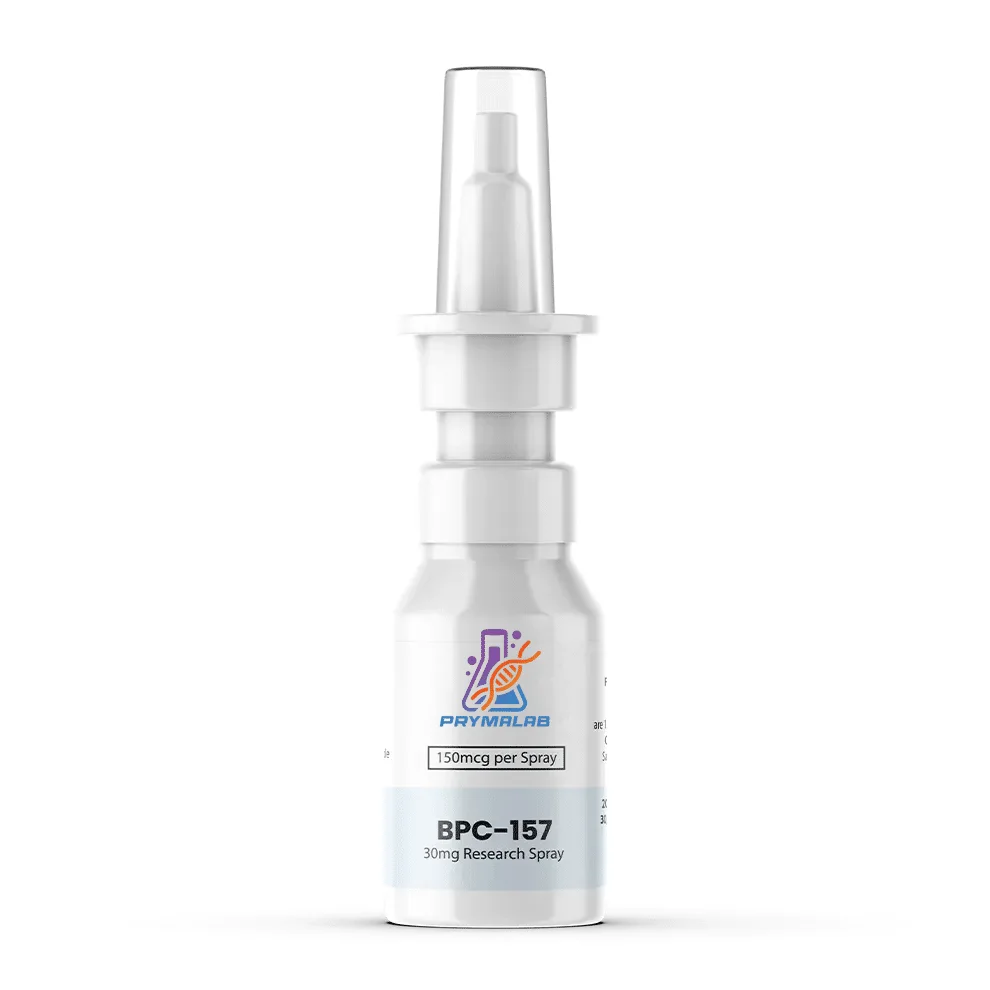
Ordering is not yet available. Label quantities do not establish an effective human dose.
Can BPC-157 help tendons and ligaments recover?
Tendon-cell behavior and ligament healing are established areas of BPC-157 research. In a laboratory study using rat Achilles-tendon tissue, BPC-157 increased the movement of fibroblasts, the cells involved in maintaining connective tissue. Researchers also observed greater tissue outgrowth and cell survival under oxidative stress.1
A separate experiment followed rats after surgical transection of the medial collateral ligament, or MCL. The investigators reported better functional, mechanical and tissue-level healing measures across a 90-day observation period.2
What does that mean for an Achilles, elbow or shoulder problem?
The shoulder and elbow accounts below describe improved comfort and movement around weeks two to three. These are personal experiences; the animal findings do not establish a human tendon-healing deadline. A registered rotator-cuff trial plans to assess recovery after surgical repair.
Does BPC-157 help knee pain or joint discomfort?
There is a small human report of improved knee pain. A retrospective review identified 17 patients; 16 could be contacted. Of the 12 who received BPC-157 alone, 11 reported significant improvement. Treatment was injected directly into the knee joint in a clinical setting.3
Follow-up varied, and most patients had received treatment six months to a year before the survey. The study had no untreated comparison group and did not use standardized measures of function or quality of life. Its result is a reason for further study, not an established success rate for a vial, capsule or pen.
Does less pain mean cartilage or a meniscus has regrown?
No. That report did not demonstrate structural repair on follow-up MRI. Feeling more comfortable and rebuilding damaged tissue are separate outcomes; the available knee finding concerns the former.
What are the potential benefits for muscle recovery?
The research concerns recovery after tissue injury. In a rat study involving a surgically divided quadriceps muscle, investigators reported stronger repaired tissue, improved walking function and better microscopic findings over 72 days. Measures included how much force the tissue tolerated before failure.4
A separate rat muscle-crush experiment followed injury recovery for up to 14 days. It reported improvements in swelling, tissue appearance and function with the experimental treatment.12
Is BPC-157 a muscle-building peptide?
These findings do not establish extra muscle growth in healthy lifters. Restoring damaged tissue after a severe experimental injury is different from increasing lean mass or strength during normal training.
Does BPC-157 help skin or wounds heal?
Skin-repair benefits have been observed in an animal wound model. A 2015 study applied BPC-157 topically to alkali-burn wounds in rats. Researchers found faster wound closure, more granulation tissue, better re-formation of the surface skin layer and more collagen in the healing tissue at day 18.13
The same paper tested human umbilical-vein endothelial cells in laboratory culture. BPC-157 increased cell movement, growth and the formation of vessel-like structures, with changes in VEGF-related and ERK signaling. Those were isolated human cells, not people receiving skin treatment.
What about scars, wrinkles or a “skin glow”?
The study supports investigating wound closure and tissue rebuilding. It did not measure wrinkle reduction, acne improvement or scar removal in people, and its topical preparation does not establish the same result from a capsule, injection or nasal spray. An open or worsening wound needs appropriate wound care; the experiment does not supply a home-treatment protocol.
What is known about BPC-157 for gut health?
Intestinal protection and repair are part of BPC-157’s research history. One rat study examined chemically induced colitis and healing where two sections of colon had been surgically joined. Treated animals showed improved healing in those experimental models.5
Human evidence is more limited. FDA reviewed an older meeting abstract describing 53 people with ulcerative colitis, randomized to a BPC-157 enema or placebo for two weeks. The available details were inadequate to establish effectiveness. That preparation was not an oral capsule.6
Do these results show that capsules treat IBS or “leaky gut”?
No. Those are different claims from repair in a rat injury model or an exploratory enema study. A capsule’s labeled micrograms establish its stated contents; they do not establish symptom relief or the amount absorbed. The featured capsule details and original batch report answer product questions separately from this clinical evidence.
Which studies support the main BPC-157 benefit claims?
| Study | People or model | What was observed |
|---|---|---|
| Tendon repair signals [1] | Rat Achilles-tendon explants and cultured fibroblasts | Greater cell migration, tissue outgrowth and survival under oxidative stress. |
| Ligament healing [2] | Rats with surgically divided MCLs; follow-up through 90 days | Improved function, mechanical properties and tissue-healing measures. |
| Knee pain [3] | 16 patients contacted; 12 received BPC-157 alone by intra-articular injection | 11 of those 12 reported improvement; uncontrolled retrospective observation. |
| Muscle repair [4] | Rats after quadriceps transection; 72-day observation | Improved tissue strength, walking function and microscopic repair findings. |
| Skin wound repair [13] | Rat alkali burns treated topically; separate cultured human endothelial cells | Faster wound closure and improved skin-repair measures in rats; cell migration and vessel-like structures in culture. |
| Intestinal healing [5] | Rat colitis and surgical colon-joining models | Improved healing in the experimentally injured tissues. |
| Growth-hormone response [9] | Rat tendon fibroblasts exposed in culture | More growth-hormone receptor expression and greater response when growth hormone was added. |
How quickly have people reported benefits?
In two selected positive accounts, the first clear changes appeared around weeks two to three. Both described six-week courses. These are individual experiences, not testimonials for the products on this site or a guaranteed response window.
Shoulder comfort during overhead training
6-week reportThe shoulder author noticed no clear change in week one. By week three, pressing discomfort reportedly fell from about 5–6/10 to 2–3/10. Improvement plateaued around week four and was still present nine weeks after finishing.7
Elbow pain and range of motion
6-week reportAnother author described a first BPC-only course for elbow tendinitis: noticeable changes in weeks two to three, almost no pain around week four, and approximately 95% pain reduction with full mobility by week six. Their later course involving TB-500 was a separate experience.8
The BPC-157 dosage and cycles guide documents the amounts those authors reported and the corresponding weekly and course totals. A longer course is not automatically more effective: one of these accounts describes a plateau, while the other describes later improvement.
How could BPC-157 affect tissue repair?
Researchers have examined changes in how cells move, survive stress and respond to growth signals. In the tendon-cell experiments, increased activity in the FAK–paxillin signaling pathway accompanied greater cell migration.1
A later experiment found increased growth-hormone receptor expression in rat tendon fibroblasts. When growth hormone was added to the culture, those cells showed a greater proliferation response.9 This concerns cellular responsiveness. It is not evidence that BPC-157 raises a person’s circulating HGH or testosterone.
Do capsules, injections and the Wolverine stack offer the same benefits?
There is no established human equivalence between the formats. A clinical injection into a joint, an experimental oral preparation and a retail nasal spray involve different delivery conditions. The named studies do not establish that matching the labeled micrograms produces matching effects.6
The Wolverine stack combines BPC-157 and TB-500. The knee report also included four patients given BPC-157 with thymosin beta-4, three of whom reported improvement. That tiny, nonrandomized subgroup does not establish superiority over BPC-157 alone or validate the finished commercial blend.3
Compare the four BPC-157 product formats by their actual contents, preparation and batch documentation. The dedicated Wolverine article explains its vial and pen and distinguishes total blend quantity from each ingredient’s amount.
Are controlled BPC-157 injury trials underway?
Two registered trials examine injury recovery, including MRI findings, strength and return to activity. These entries describe study plans rather than measured treatment results.
Return to sport and MRI healing
ClinicalTrials.gov lists NCT07437547 as recruiting: a placebo-controlled study targeting 120 participants with acute grade II hamstring strains. It pairs a 14-day study intervention with standardized rehabilitation and measures MRI injury volume and return to unrestricted sport. The estimated primary completion is February 2027.10
Recovery after rotator cuff repair
NCT07803250, sponsored by the University of Arkansas, plans to assess recovery after surgical rotator cuff repair using MRI, strength, movement and patient-reported outcomes. Its record lists not yet recruiting, an estimated January 2027 start and no posted results.11
Registry details checked November 2, 2026. These records do not establish that the featured products improve these outcomes.
BPC-157 benefits: questions people ask
Can BPC-157 rebuild cartilage or repair a torn tendon?
Does it increase HGH or help build muscle?
The growth-hormone finding concerns receptor expression in rat tendon cells, not increased HGH production in people. It does not establish a muscle-building effect. The muscle studies on this page investigated injured tissue, not hypertrophy in healthy trainees.9
Are there specific BPC-157 benefits for women?
The studies summarized here do not establish a separate female benefit, recovery timeline or dose. Claims about female hormones, fertility or menopause are not supported by these findings. The same evidence distinctions apply when a woman is researching tendon, joint or gut symptoms.
Do benefits continue after a course ends?
One selected shoulder account reported retained improvement nine weeks after finishing, with continued mobility work. That shows what one author experienced; it does not establish how long an effect lasts or whether repeat courses help.7
Would a longer cycle produce better results?
The available reports do not establish a dose-duration rule. The shoulder author described a plateau around week four, whereas the elbow author described improvement through week six. The cycle guide keeps those observations separate from calculations of product quantity.
Is an encouraging research result evidence that BPC-157 is safe?
No. Effectiveness and safety need separate evaluation. FDA identifies limited human safety information and concerns about product characterization and immune reactions. See the side effects and FDA status guide for the current detail.6
Sources for this benefits guide
- Chang et al. — Tendon-cell outgrowth, survival and migration. Journal of Applied Physiology, 2011.
- Cerovecki et al. — Ligament healing in rats. Journal of Orthopaedic Research, 2010.
- Lee & Padgett — Intra-articular BPC-157 for knee pain. Alternative Therapies in Health and Medicine, 2021.
- Staresinic et al. — Quadriceps repair in rats. Journal of Orthopaedic Research, 2006.
- Klicek et al. — Colitis and intestinal healing experiments. Journal of Physiology and Pharmacology, 2013.
- FDA — BPC-157 Pharmacy Compounding Advisory Committee briefing. 2026 evaluation.
- Six-week shoulder account with follow-up. Reddit; personal report.
- Elbow recovery and cycle discussion. AnabolicMinds, February 12, 2024; personal report.
- Chang et al. — Growth-hormone receptor expression in tendon cells. Molecules, 2014.
- NCT07437547 — Acute hamstring-strain study. ClinicalTrials.gov; registered trial.
- NCT07803250 — Recovery after rotator cuff repair. ClinicalTrials.gov; registered trial.
- Novinscak et al. — Muscle-crush injury in rats. Surgery Today, 2008.
- Huang et al. — Skin alkali-burn healing and endothelial-cell experiments. Drug Design, Development and Therapy, 2015.
- Three-week knee-comfort and swelling account. Reddit; personal report.
- Two-month oral account: digestive comfort, fatigue and soreness. Reddit; personal report.